


Unveiling the Elegance of Lab-Grown Diamonds
- Venu Admin
- Jul 17, 2025
- 4 min read

As the demand for ethically sourced products continues to rise, lab-grown diamonds have emerged as a compelling alternative to their mined counterparts. These stunning gems are not only visually captivating but also come with a story that resonates with values of sustainability and ethical responsibility. In this blog post, we will explore the elegance of lab-grown diamonds, their origins, benefits, and why they might be the perfect choice for your next significant purchase.
Ethical Diamond Sales: A Growing Trend
The market for ethical diamond sales is expanding rapidly as more consumers seek transparent and sustainable options. Traditional diamond mining has long been associated with social and environmental issues, including human rights violations and substantial ecological damage. Lab-grown diamonds, on the other hand, are cultivated in controlled environments that minimize adverse impacts on the planet.
A significant factor contributing to the rise of ethical diamond sales is the awareness surrounding “blood diamonds,” or conflict diamonds, that finance wars and oppressive regimes. Lab-grown diamonds offer a responsible alternative, ensuring that your purchase does not fund such injustices. By choosing these elegant gems, consumers can own beautiful jewelry while promoting ethical practices.
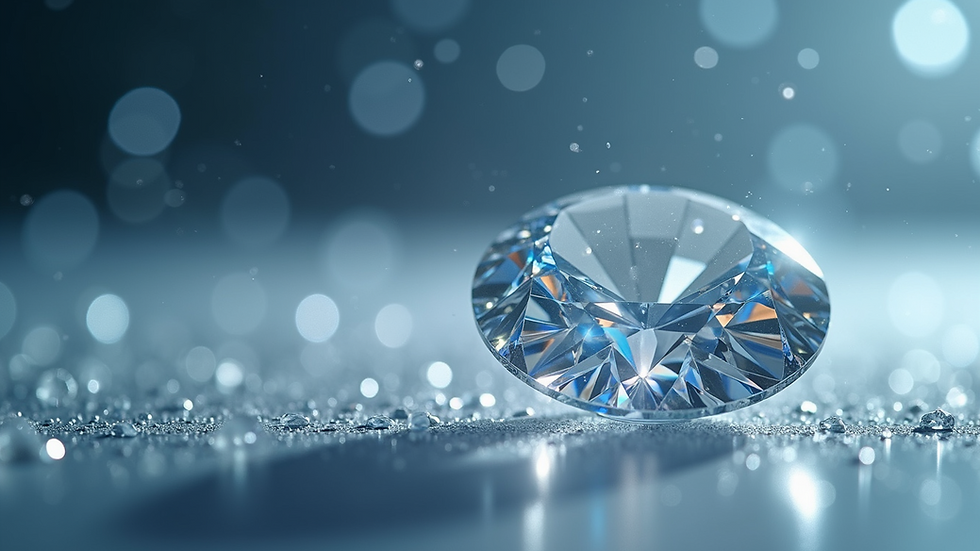
What Are Lab-Grown Diamonds?
Lab-grown diamonds are created using advanced technology that replicates the natural processes that occur deep within the Earth. The two main methods for producing these diamonds are High Pressure High Temperature (HPHT) and Chemical Vapor Deposition (CVD).
HPHT Method: This technique mimics the natural conditions under which diamonds form. It involves extreme heat and pressure, resulting in high-quality diamonds with remarkable clarity and brilliance.
CVD Method: This process involves breaking down carbon gases, which then bond to create diamond crystals. This method allows for greater control over the diamond’s quality and can often produce faster results.
Lab-grown diamonds are chemically, physically, and optically identical to natural diamonds. This means that they possess the same sparkle and allure but without the ethical dilemmas associated with mining.

Will Lab-Grown Diamonds Be Cheaper?
One of the primary questions surrounding lab-grown diamonds is whether they are indeed more affordable than mined diamonds. The answer is generally yes. Lab-grown diamonds can cost 20-40% less compared to natural diamonds of similar size and quality. This price reduction is due to several factors:
Controlled Production Costs: Since they are produced in a lab, there are negligible costs associated with mining, transportation, and geological exploration that can inflate the price of natural diamonds.
Market Demand: As lab-grown diamonds gain popularity, the competition among producers increases, which often leads to lower prices for consumers.
Transparency and Ethics: Lab-grown diamonds do not carry the same markups that some natural diamonds do due to their associated mining costs and ethical concerns.
As a result, not only do consumers get high-quality diamonds, but they also save a significant amount in the process. This aspect makes them an attractive option for anyone looking for engaging and meaningful jewelry.
The Environmental Benefits of Choosing Lab-Grown Diamonds
One of the most compelling reasons to choose lab-grown diamonds is their positive environmental impact. Traditional diamond mining has devastating consequences. It involves clearing large areas of land, which can lead to deforestation, soil erosion, and the destruction of ecosystems. Moreover, mining operations consume significant amounts of water and energy, contributing to further environmental degradation.
In contrast, lab-grown diamonds have a much smaller carbon footprint. The process uses significantly less water, and because it occurs in a controlled environment, the overall resource consumption is reduced. Many laboratories now harness renewable energy sources, further lessening their impact on the environment.
By purchasing lab-grown diamonds, consumers contribute to a more sustainable future. With greater awareness of climate change and environmental preservation, these gems symbolize a shift toward conscious consumerism and responsible sourcing.

How to Choose The Perfect Lab-Grown Diamond
Choosing the perfect lab-grown diamond can be an enjoyable experience. Since they share the same properties as natural diamonds, the criteria for selection remains similar. Here are some key factors to consider:
The Four Cs: Familiarize yourself with the basics of diamonds: Cut, Color, Clarity, and Carat weight. Understanding these elements will help you assess quality effectively.
Certification: Ensure your diamond comes with a certification from a reputable grading laboratory. This guarantees the diamond's quality and authenticity. Look for labs such as the Gemological Institute of America (GIA) or the International Gemological Institute (IGI).
Style & Setting: Consider the style of the jewelry or the setting that best suits your taste. Lab-grown diamonds can be stunningly set in various metal options, from yellow gold to platinum, each providing a unique look.
Budget: Lab-grown diamonds offer an array of options at various price points. Determine your budget beforehand to narrow down your choices without overspending.
Shop with Reputable Retailers: Seek out brands and retailers that have a strong reputation for ethical practices. Websites like AV Luxury Gems offer lab-grown diamonds sale, showcasing a selection that adheres to these standards.
By taking these factors into account, you can confidently invest in a lab-grown diamond that perfectly encapsulates your style and values.
The Future of Ethical Diamonds
As awareness grows about the ethical implications of traditional diamond sourcing, the future of lab-grown diamonds looks promising. This trend is not merely a passing fad but a shift towards more conscience-driven consumer behavior.
Many millennials and Gen Z consumers prioritize sustainability and refuse to compromise their values for luxury items. Lab-grown diamonds offer the perfect balance between elegance and ethics, positioning themselves as a preferred choice for engagements, anniversaries, and other significant occasions.
In time, it is likely that lab-grown diamonds will play a pivotal role in reshaping the diamond industry. As technology advances and manufacturing processes become more efficient, we can expect even more stunning designs and lower price points.
In conclusion, lab-grown diamonds exemplify the marriage of beauty and responsibility. By opting for these gems, you not only gain a stunning piece of jewelry but also contribute to a future where ethical practices and sustainability take center stage. Whether you are shopping for yourself or looking for a meaningful gift, lab-grown diamonds are a choice that aligns with both elegance and integrity.


Comments